

Understanding the Impact of Donations: Exploring Types of Giving
When you give, you do more than just offer help. You create ripples of hope. You build bridges of comfort. You become a beacon in the often dark and uncertain journey of cancer. Giving is not just about the act itself; it is about the impact it leaves behind. It is about the lives touched, the burdens eased, and the stories honored. You might wonder, what types of giving truly make a difference? How can your generosity transform the experience of caregivers, veterans, family members, and parents facing terminal illness? Let’s explore this together.
The Many Types of Giving: What You Can Do
Giving is not one-size-fits-all. It comes in many forms, each with its own unique power. When you understand these types of giving, you can choose the one that resonates most with your heart and your capacity.
Monetary Gifts: These are the most common and flexible. Money can be used to provide practical cancer assistance, fund grief support groups, or supply school materials for children who have lost a parent to cancer. Your financial support can be a lifeline.
Time and Service: Sometimes, your presence is the greatest gift. Volunteering your time to support cancer advocacy groups or to help organize community connections can create a profound impact. Your empathy and dedication become a source of strength.
In-Kind Donations: Donating items such as school supplies, comfort kits, or resource materials can directly meet the needs of families dealing with terminal illness. These tangible gifts show care in a very personal way.
Advocacy and Awareness: Raising awareness about cancer support services and advocating for better resources can change the landscape for caregivers and families. Your voice can amplify the message and bring about systemic change.
Legacy Giving: Leaving a gift in your will or creating a memorial fund honors the stories and legacies of loved ones lost to cancer. This type of giving ensures that hope and support continue for future generations.
Each type of giving is a thread in the fabric of support that wraps around those facing cancer. You have the power to choose how you weave your thread.

How Your Giving Transforms Lives
Imagine the weight lifted from a caregiver’s shoulders when they receive practical assistance. Picture a child’s smile when they open a backpack filled with new school supplies after losing a parent. Visualize a veteran finding solace in a support group where others truly understand their journey. This is the impact of your giving.
Your generosity can:
Ease Practical Burdens: Cancer brings many challenges beyond the medical. Financial strain, disrupted routines, and emotional exhaustion are common. Your support can provide resources that ease these burdens, allowing families to focus on healing and connection.
Create Community: Isolation is a heavy companion in terminal illness. By supporting cancer community connections, you help build networks of understanding and compassion. These communities become lifelines, offering comfort and shared strength.
Honor Memories: Every story matters. Your giving helps preserve the legacies of those lost to cancer through projects like the Healing Hearts Memory Book. This recognition brings meaning and hope to those who continue to care.
Provide Guidance: Navigating cancer resources can be overwhelming. Your support enables organizations to offer navigation services that guide caregivers, veterans, and family members through medical, financial, and emotional landscapes.
When you give, you are not just offering help. You are lighting a path through the darkness. You are planting seeds of hope that grow into resilience.
Who is the Most Generous Billionaire?
Generosity at a grand scale often captures our attention. Many billionaires have pledged significant portions of their wealth to philanthropic causes, including cancer research and support. For example, Warren Buffett, known for his commitment to giving away the majority of his fortune, has inspired others to follow suit. His approach emphasizes the power of giving back to society in meaningful ways.
However, generosity is not measured by the size of your bank account. It is measured by the size of your heart and the intention behind your giving. Whether you give a little or a lot, your contribution matters deeply. It is the collective kindness of many that creates lasting change.
Practical Ways You Can Support Cancer Caregivers and Families
You might feel unsure about how to help. Here are some actionable recommendations that can make a real difference:
Donate School Supplies: Children in families affected by terminal illness often face educational disruptions. Providing essential school materials helps them stay focused and feel cared for.
Volunteer Your Time: Join local cancer advocacy support groups or community connections. Your presence can reduce feelings of isolation for caregivers and family members.
Offer Emotional Support: Sometimes, listening is the greatest gift. Reach out to those you know who are caring for loved ones with cancer. Your empathy can be a balm.
Support Grief Programs: Contribute to or participate in grief support initiatives that help families process loss and find hope.
Spread Awareness: Use your voice on social media or in your community to share information about cancer support resources.
Make a Financial Gift: Even small monetary donations can fund vital services like cancer resource navigation and practical assistance.
Every action counts. Every gesture matters. Your involvement can transform despair into hope.
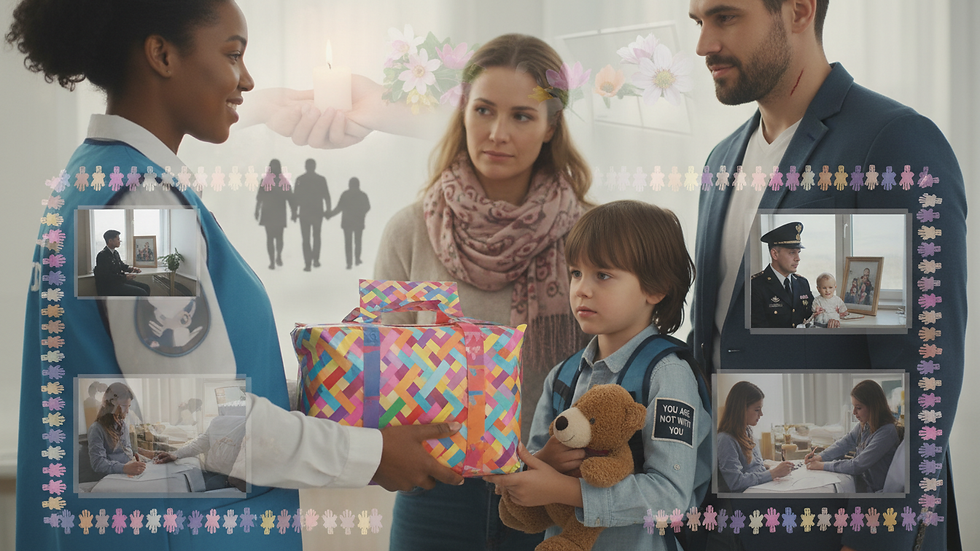
The Heart of Giving: Why Your Support Matters
Cancer changes everything. It challenges the strength of caregivers, veterans, family members, and parents. It tests the limits of endurance and hope. But your giving is a reminder that no one walks this path alone.
When you support organizations like Jackie’s Angels INC, you are part of a compassionate community. You help provide practical assistance, emotional support, and a sense of belonging. You honor the stories and legacies of those touched by cancer.
Your giving is a gentle hand on a weary shoulder. It is a light in the darkest moments. It is a promise that love and care endure.
So, when you consider how to give, remember this: your generosity is more than a gift. It is a lifeline. It is a legacy. It is hope made real.
For more information on how you can contribute, consider making donations to support these vital services and help families facing cancer find strength and comfort.


Comments