

The Importance of Accessible Services for Veterans
The transition from military to civilian life can be a daunting journey for many veterans. As they return to their communities, accessing appropriate support services is crucial for their well-being. Ensuring that services are accessible can significantly impact their quality of life. In this blog post, we will explore the importance of accessible services for veterans, the types of services available, and the ways communities can help.
Understanding the Need for Veteran Services
Veterans often face unique challenges that can affect their reintegration into civilian life. Many struggle with mental health issues, physical disabilities, and the adjustment to a different kind of life after military service. According to a report by the U.S. Department of Veterans Affairs (VA), approximately 20 veterans a day die by suicide. This statistic highlights the urgent need for accessible services that can provide necessary support.
Veterans may experience difficulty in finding housing, employment, or health care. Those who have served in combat may face additional hurdles, such as post-traumatic stress disorder (PTSD) or other service-related injuries. Because of these complexities, accessible services become essential to help veterans rebuild their lives.
Various Types of Veteran Services
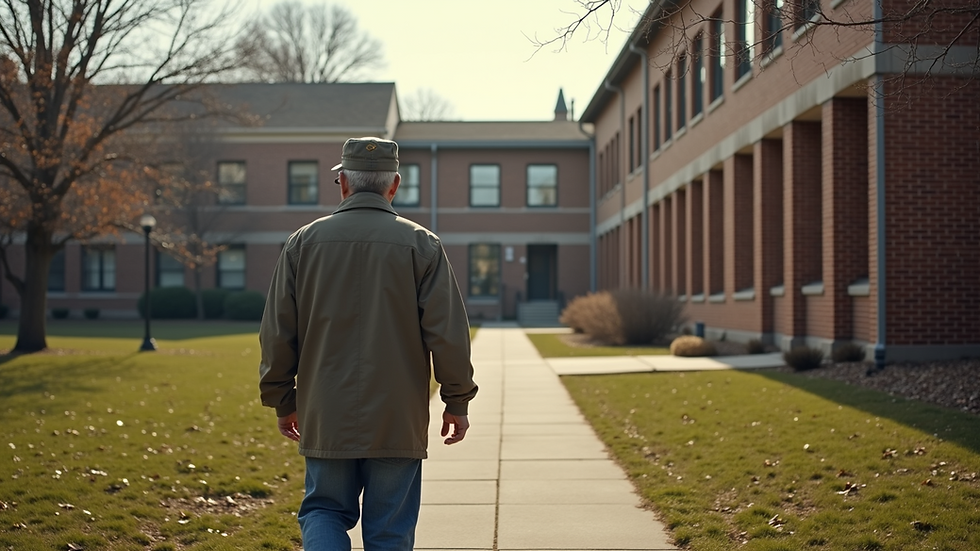
Veteran services encompass a wide array of support systems that aim to address the diverse needs of those who have served in the military. These include health care, employment counseling, education benefits, and housing assistance.
Health Care Services
The VA provides comprehensive health care services for veterans, which includes mental health services, rehabilitation, and preventative care. Facilities are available nationwide, though veterans in rural areas may struggle with access. Telehealth options have become increasingly popular and offer convenient access to health care professionals from home.
Employment and Training Assistance
Reentering the workforce can be overwhelming for many veterans. Employment services are essential in helping them translate their military skills into civilian job opportunities. Programs like the VA’s Vocational Rehabilitation and Employment (VR&E) help veterans find jobs that match their skills and offer training to improve their employability.
Educational Support
Education plays a vital role in helping veterans successfully transition to civilian life. The GI Bill offers financial assistance for veterans seeking higher education or vocational training. This assistance may cover tuition, housing, and other costs associated with education. Additionally, many community colleges and universities have veteran support offices to guide veterans and facilitate their educational journey.
Housing Assistance
Stable housing is critical for successful reintegration. The VA provides several programs aimed at helping veterans secure safe and affordable housing. The HUD-VASH program combines HUD’s Housing Choice Voucher program with VA supportive services to help homeless veterans find permanent housing.
What Kinds of Services Are Available for Veterans That the US Government Provides?
The U.S. government offers a plethora of services designed specifically for veterans. This variety ensures that veterans can receive the support they need, tailored to their specific circumstances. Some key services include:
Veteran Readiness and Employment (VR&E): Assists veterans with service-connected disabilities to prepare for, find, and maintain suitable employment.
Disability Compensation: Provides financial support to veterans with disabilities resulting from an injury or disease experienced while in military service.
Pensions: Offers financial assistance to low-income veterans who are permanently disabled or over the age of 65.
Life Insurance: Provides veterans with various insurance options to ensure that they and their families are protected.
Burial Benefits: Offers assistance for veterans and their families, covering interment costs and providing grave markers, among other benefits.
Many of these services are interconnected, meaning that veterans can often access multiple forms of assistance simultaneously. Having comprehensive services available is essential for their long-term success and well-being.

The Role of Community in Supporting Veterans
While government-sponsored services are critical, community support plays an equally vital role in the accessibility of services for veterans. Local organizations and veteran support groups help bridge the gap between available government services and veterans in need.
Building Relationships
Community outreach programs can facilitate connections between veterans and the services they require. These relationships can foster a sense of belonging and support, which is vital for emotional well-being. Engaging veterans in community activities or volunteer work can also help them rebuild their self-esteem and reassess their skill sets.
Mental Health Awareness
Promoting mental health awareness in the community can significantly impact veterans’ ability to seek help. Community events, workshops, and seminars can educate the public on the challenges veterans face and encourage open discussions about mental health. Creating an environment that reduces stigma will encourage veterans to access vital mental health services.
Financial Assistance Programs
Not all veterans are eligible for government assistance, which makes community-level support necessary. Local charities often provide financial support, offering outreach programs that can help veterans cover rent, healthcare costs, and daily expenses.
Long-Term Solutions for Sustained Access
To ensure long-term access to services for veterans, strategic planning and advocacy at wide-reaching levels are essential.
Continuous Assessment
Governments and organizations should regularly assess the effectiveness of existing veteran services. Gathering feedback from veterans will provide insights into what is working and what can be improved. Evidence-based assessments can lead to better resource allocation and program enhancements tailored to veterans' evolving needs.
Increased Accessibility
Improving physical and digital accessibility is important for reaching veterans, especially those in remote areas. Expanding telehealth services, increasing the number of veteran support centers, and utilizing mobile units to deliver services can ensure greater access.
Collaboration between Agencies
Enhanced collaboration between federal, state, and local agencies can reduce redundancy and improve the overall effectiveness of services. Establishing a cohesive network enables a streamlined, veteran-friendly approach to support. Cross-agency initiatives can also focus on specialized services, ranging from mental health to housing assistance, creating a more robust network that veterans can tap into.

Taking the Next Steps
The importance of accessible services for veterans cannot be overstated. Whether through government programs, community initiatives, or personal support, ensuring that veterans have the resources they need is paramount for their successful transition to civilian life.
For those looking to support veterans, consider exploring veteran support services. Engaging with local organizations, volunteering time, or becoming an advocate for veterans can significantly impact their lives. Together, we can create a more supportive environment that honors their service and sacrifices, ensuring they receive the care, compassion, and support they deserve.


Comments