

Making a Difference Through Donations: Meaningful Giving Tips
- 9 hours ago
- 4 min read
Giving is more than just an act. It is a bridge - a connection between hearts, a light in the darkness, a whisper of hope. When people open their hands and their hearts, they create ripples that reach far beyond the moment. This is the power of giving. It is personal. It is profound. It is transformative.
Jackie’s Angels INC understands this deeply. Their mission to support Caregivers, Veterans, and Family Members facing terminal illness is a testament to the impact of thoughtful generosity. Through practical cancer assistance, school supplies for children, grief support, and honoring legacies, they show how donations can truly change lives.
Meaningful Giving Tips: How to Make Your Impact Count
Giving with intention makes all the difference. It’s not just about the amount but the thought behind it. Here are some meaningful giving tips to help anyone who wants to make a real impact:
Understand the cause deeply. Learn about the challenges faced by those affected by cancer and terminal illness. This knowledge fuels empathy and guides your support.
Choose organizations with clear missions. Groups like Jackie’s Angels INC provide targeted help, ensuring your gift reaches those who need it most.
Consider non-monetary gifts. Sometimes, donating school supplies or volunteering time can be just as valuable as financial support.
Give regularly if possible. Consistent support helps organizations plan and sustain their programs.
Share your story. Encourage others to give by sharing why you support a cause. Personal stories inspire action.
By following these tips, giving becomes a meaningful journey, not just a transaction.

The Heart of Support: How Donations Help Families and Caregivers
Behind every donation is a story of hope. Families facing terminal illness often encounter overwhelming challenges. Caregivers carry heavy emotional and physical burdens. Veterans and family members may feel isolated and uncertain about where to turn.
Organizations like Jackie’s Angels INC step in to ease these burdens. They provide:
Practical Cancer Assistance: Helping with daily needs and medical navigation.
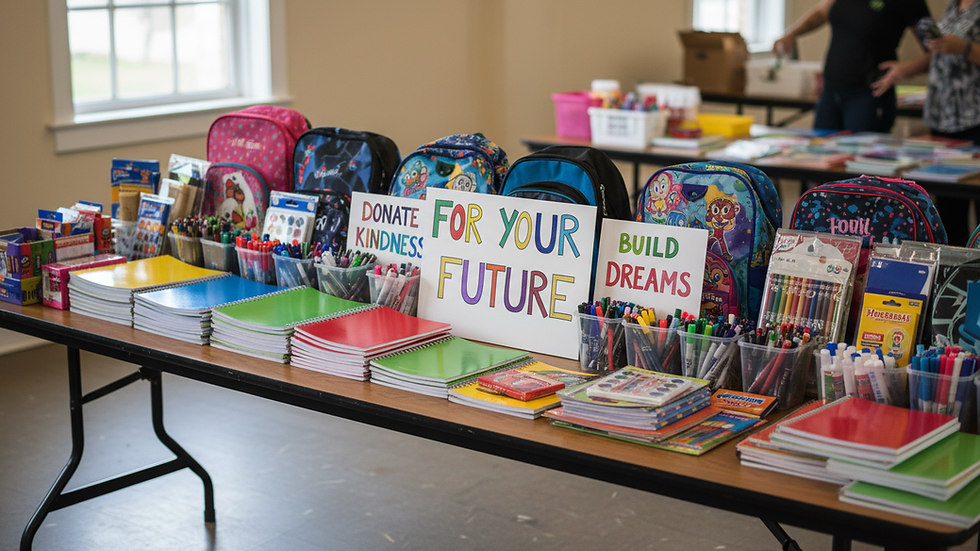
School Supplies for Children: Ensuring children who have lost a parent to cancer can continue their education without disruption.
Cancer Resource Navigation: Guiding families to medical, financial, and emotional support.
Grief Support and Advocacy Groups: Offering spaces to process loss and find community.
Honoring Stories and Legacies: Creating memory books and celebrations that keep loved ones’ stories alive.
Each donation fuels these vital services. It is a lifeline for those who need it most.
What is another word for donation?
Language shapes how we think about giving. Sometimes, using different words can deepen our understanding or open new perspectives. Here are some alternatives to the word "donation" that capture the spirit of giving:
Contribution - Emphasizes the act of adding to a collective effort.
Gift - Highlights the personal and voluntary nature of giving.
Offering - Suggests a heartfelt presentation or sacrifice.
Charity - Focuses on kindness and aid to those in need.
Support - Reflects ongoing assistance and encouragement.
Grant - Often used in formal or institutional giving.
Alms - Traditionally linked to giving to the poor or needy.
Each word carries its own nuance, but all share the core idea of generosity and care.

Practical Ways to Give That Make a Real Difference
Giving can take many forms beyond writing a check. Here are some practical ways to contribute that create lasting impact:
Monetary Donations: The most flexible form, allowing organizations to allocate funds where they are needed most.
In-Kind Donations: Items like school supplies, clothing, or food that meet immediate needs.
Volunteering Time: Offering skills or companionship to those affected by illness.
Advocacy and Awareness: Sharing information and encouraging others to support causes.
Legacy Giving: Including organizations in wills or estate plans to provide long-term support.
Fundraising: Organizing events or campaigns to raise money and awareness.
Each method has its own power. The key is to choose what aligns best with your resources and passion.
The Ripple Effect: How One Act of Giving Inspires Many
Giving is contagious. One act of kindness can inspire others to follow. When someone donates, volunteers, or advocates, they create a ripple effect that spreads far and wide.
Jackie’s Angels INC sees this every day. A single donation can:
Help a child stay in school despite family hardship.
Provide a caregiver with resources to manage stress.
Connect a veteran with a supportive community.
Honor a loved one’s memory in a way that brings healing.
These ripples grow, touching lives in ways that are often unseen but deeply felt. Giving is not just about changing one life - it is about transforming many.
Embracing the Journey of Giving
Giving is a journey of the heart. It asks us to look beyond ourselves and see the shared humanity in others. It invites us to be part of something bigger - a community of care, hope, and resilience.
Jackie’s Angels INC embodies this spirit. Their work reminds us that every story matters, every gesture counts, and every act of kindness builds a legacy of love.
If you feel moved to make a difference, consider how your support can bring light to those facing the darkest times. Whether through financial gifts, volunteering, or simply spreading the word, your involvement matters.
Together, through thoughtful giving, we can create a world where no one faces illness or loss alone.


Comments