

Jackie's Angels INC- Planning and Power of Attorney Should Happen Sooner Than Later
When someone is terminally ill, the family often feels trapped between two emergencies at once. There is the medical crisis, with appointments, pain, treatment choices, and hard conversations. Then there is the legal and practical crisis, with bills, belongings, children, bank accounts, housing, documents, and decisions that cannot wait.
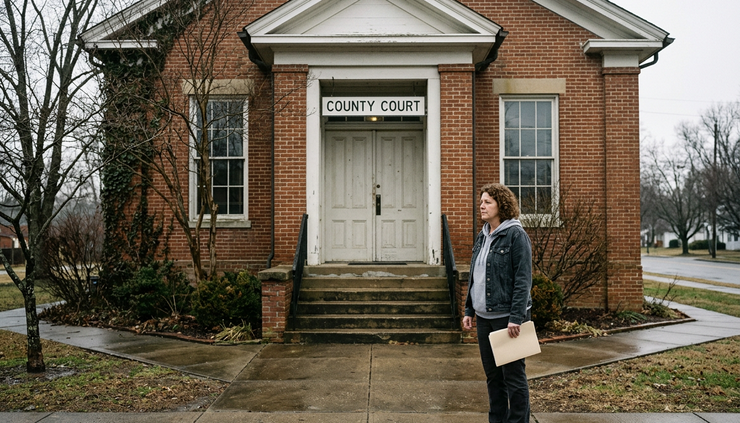
In the middle of that scramble, help can come from unexpected places. A courthouse self-help center, legal aid referral, or court-connected lawyer may be the first person who explains what needs to happen next. For one family, that support led to a lawyer who prepared Power of Attorney documents for a sick sister, helping protect her belongings and make plans for the children she would leave behind.
That kind of help matters. But the harder truth is this: terminal illness planning works best when it starts early. Waiting until the last days can limit options, increase stress, and leave loved ones trying to solve legal problems while they are grieving.
This post is for general information only. Laws vary by state, and legal documents should be prepared or reviewed by a qualified attorney in your area.

Jackie's Angels INC- Planning and Power of Attorney Should Happen Sooner Than Later|
Terminal illness planning is an act of care
Many families avoid legal planning because it feels too final. Talking about Power of Attorney, guardianship, wills, or end-of-life wishes can feel like giving up. In reality, it is often the opposite.
Planning gives the ill person more say while they still have the ability to speak clearly, sign documents, and explain what they want. It can also spare relatives from guessing later.
Without documents in place, even simple tasks can become difficult:
Paying rent, utilities, or medical bills
Accessing important accounts
Managing a vehicle, home, or personal belongings
Talking with insurance companies
Making health care decisions if the person cannot speak
Caring for minor children
Handling funeral wishes and final arrangements
Families often assume love and closeness will be enough. A sibling may think, “Of course I can help. Everyone knows I am the one taking care of things.” Banks, hospitals, schools, landlords, and courts usually need more than that. They need legal authority.
That is where early planning can make all the difference.
What Power of Attorney can and cannot do
A Power of Attorney, often called a POA, is a legal document that allows one person to act for another person. The person giving authority is often called the principal. The person receiving authority is often called the agent or attorney-in-fact.
A POA can be broad or limited, depending on how it is written and what state law allows.
A financial Power of Attorney helps with practical matters
A financial POA can allow the agent to handle things like:
Bank transactions
Bill payments
Insurance forms
Property matters
Government benefit paperwork
Personal belongings
Vehicle title or registration issues
For someone who is very sick, this can be a lifeline. The patient may not have the strength to sit on phone calls, travel to offices, gather papers, or keep track of due dates. A trusted agent can step in and manage those responsibilities.
A durable Power of Attorney is especially important in many terminal illness situations. “Durable” generally means the authority can continue if the person becomes incapacitated. Without that durability language, the document may not help at the moment the family needs it most.
A health care Power of Attorney covers medical decisions
A health care POA, sometimes called a medical Power of Attorney or health care proxy, names someone to make medical choices if the patient cannot make or communicate decisions.
This is separate from financial authority. A person may choose the same agent for both roles, or they may choose different people.
A health care POA often works alongside other documents, such as:
Advance directives
Living wills
HIPAA releases
Do-not-resuscitate orders, when appropriate and allowed under state law
These papers help doctors and loved ones understand the patient’s wishes about treatment, comfort care, life support, and communication.
Power of Attorney ends at death
This part surprises many families.
A Power of Attorney does not continue after death. Once the person dies, the agent’s authority ends. At that point, the will, estate plan, beneficiary forms, court process, or probate rules take over.
That is why POA is important, but it is not enough by itself. A person with a terminal illness often needs several documents working together.

Planning for children needs special attention
When a terminally ill parent has minor children, the planning becomes even more urgent. A Power of Attorney may help with certain child-related tasks during the parent’s lifetime, depending on state law. For example, a parent may be able to give a trusted adult temporary authority to handle school enrollment, medical appointments, or daily care.
But long-term care for children usually requires more than a POA.
A parent may need to speak with a lawyer about:
Naming a preferred guardian in a will
Creating temporary caregiving documents
Planning for custody issues
Setting up financial support for the children
Naming beneficiaries carefully
Choosing someone to manage money for minors
Coordinating plans with the other legal parent, if applicable
Courts generally make final decisions about guardianship based on the child’s best interests and state law. Still, a parent’s written wishes can carry serious weight. Clear documents can also reduce family conflict during an already painful time.
This is one reason waiting is so risky. If the parent becomes too ill to sign documents, speak with a lawyer, or explain their wishes, loved ones may have to turn to the court with far less guidance.
Waiting can close doors
There is a short window in many terminal illness cases when the person is still legally competent, able to communicate, and strong enough to make decisions. That window may be longer than expected, or it may close quickly.
Illness does not always move in a straight line. A patient may have good days and bad days. Medication, pain, infection, fatigue, or disease progression can affect alertness. Hospital stays can happen suddenly. Documents that seemed possible “next week” may become much harder to complete.
The legal system also takes time. Even when everyone agrees, families may need to:
Find the right type of lawyer
Gather identification and medical information
Locate property titles or account records
Discuss choices with the patient
Prepare documents
Arrange witnesses or notarization
File court papers in some situations
Contact banks, schools, hospitals, or agencies
That is why Why Terminal Illness Planning and Power of Attorney Should Happen Sooner Than Later is more than a title. It is a practical warning. Time is limited, and paperwork rarely moves as fast as a family’s fear.
The best time to put legal authority in place is before the crisis reaches the point where no one has the energy, clarity, or legal capacity left to act.
The courthouse can be a starting point
Many people do not know where to begin. They may not have a family lawyer. They may not have money set aside for legal fees. They may assume help is out of reach.
In some communities, the courthouse can point families toward resources. This may include self-help centers, legal aid programs, lawyer referral services, family court assistance, probate information, or clinics connected with local bar associations.
The courthouse staff may not be able to give legal advice. Still, they can often explain where to ask for help or what type of filing might be involved.
Other possible starting points include:
Local legal aid organizations
State bar lawyer referral services
Law school clinics
Hospital social workers
Hospice social workers
Patient advocacy groups
Faith community support teams
Senior services or disability rights organizations
Families should ask directly about urgent planning for a terminal illness. Some legal providers may be able to move faster when there is a serious medical need.
The first documents to discuss with a lawyer
Every situation is different, especially when children, property, benefits, debt, or family conflict are involved. Still, certain documents often come up in terminal illness planning.
Document | What it may help with |
Financial Power of Attorney | Lets a trusted person manage money, property, bills, and paperwork during life |
Health care Power of Attorney | Names someone to make medical decisions if the patient cannot |
HIPAA release | Allows medical providers to share information with chosen people |
Advance directive or living will | States wishes for care if the patient cannot speak |
Will | Names beneficiaries, a personal representative, and preferred guardians for minor children |
Temporary caregiver documents | May allow another adult to help care for children during the parent’s illness |
Beneficiary designations | Directs certain accounts or insurance benefits outside a will |
Funeral or burial instructions | Gives loved ones guidance about final wishes |
A lawyer can also check whether older documents still work. A will from years ago may name the wrong person. A beneficiary form may be outdated. A Power of Attorney may not meet current state requirements or may not be accepted by a bank.
Choosing the right person to act
A legal document is only as strong as the person named in it. The agent under a Power of Attorney should be trustworthy, organized, and willing to follow the patient’s wishes.
This person does not need to be perfect. They do need to understand the responsibility.
Good signs include:
They can stay calm under stress
They respect the patient’s choices
They communicate with family when appropriate
They keep records
They can handle deadlines
They do not treat the patient’s property as their own
For health care decisions, the best person is not always the oldest child, closest sibling, or loudest relative. It should be someone who can listen to doctors, ask questions, and honor the patient’s values, even when the decision is painful.
For financial matters, recordkeeping matters. The agent may need to save receipts, track payments, and explain decisions later.
Conversations matter as much as documents
Legal papers help, but they cannot say everything. Families still need honest conversations.
A terminally ill person may want to explain:
Who should care for the children
What routines comfort the children
Which belongings carry special meaning
How pets should be cared for
What kind of memorial service feels right
Who should be contacted
What should happen with photos, letters, or family keepsakes
Which medical treatments feel acceptable or unacceptable
These conversations are heavy. They can also be loving. They give family members something solid to hold onto later.
If talking face to face feels too hard, a letter or recorded message may help. Parents sometimes write notes for their children’s future birthdays, graduations, or milestones. These personal choices are not legal substitutes, but they can bring comfort and clarity.
A simple way to start when everything feels urgent
When a family is already in crisis, the list can feel impossible. Start with the decisions that protect the most urgent needs.
Ask about capacity right away
If the patient can still understand and sign documents, contact a lawyer as soon as possible.
Name the emergency decision-makers
Decide who should handle medical choices, money, children’s care, and communication.
Gather key papers
Look for identification, insurance cards, birth certificates, custody orders, account information, property deeds, vehicle titles, benefit letters, and existing legal documents.
Write down the children’s needs
Include schools, doctors, medications, routines, allergies, trusted adults, and the preferred caregiver.
Contact legal help
Try legal aid, a courthouse self-help center, a lawyer referral service, or a hospital social worker.
Get signed copies where they need to go
Give copies to agents, medical providers, schools, banks, or caregivers when appropriate.
The goal is not to create a perfect plan in one day. The goal is to prevent silence, confusion, and delay from making the crisis harder.

Sooner gives families more peace
Terminal illness takes enough from a family. It should not also take away every chance to prepare.
Power of Attorney, health care documents, plans for children, wills, and final wishes do not remove grief. They do reduce panic. They give loved ones legal footing. They protect the patient’s voice. They keep families from having to make every choice in the dark.
The most compassionate time to plan is before the final scramble. If someone you love is facing a terminal illness, ask for legal help now. Start with one phone call, one folder, one document, one hard conversation.
Sooner is not just easier. Sometimes, sooner is the only time the choice is still available.
Jackie's Angels INC- Planning and Power of Attorney Should Happen Sooner Than Later



Comments